Holistic Tips for Optimizing Your Sleep Environment
Optimize Sleep Space
Sleepy Head
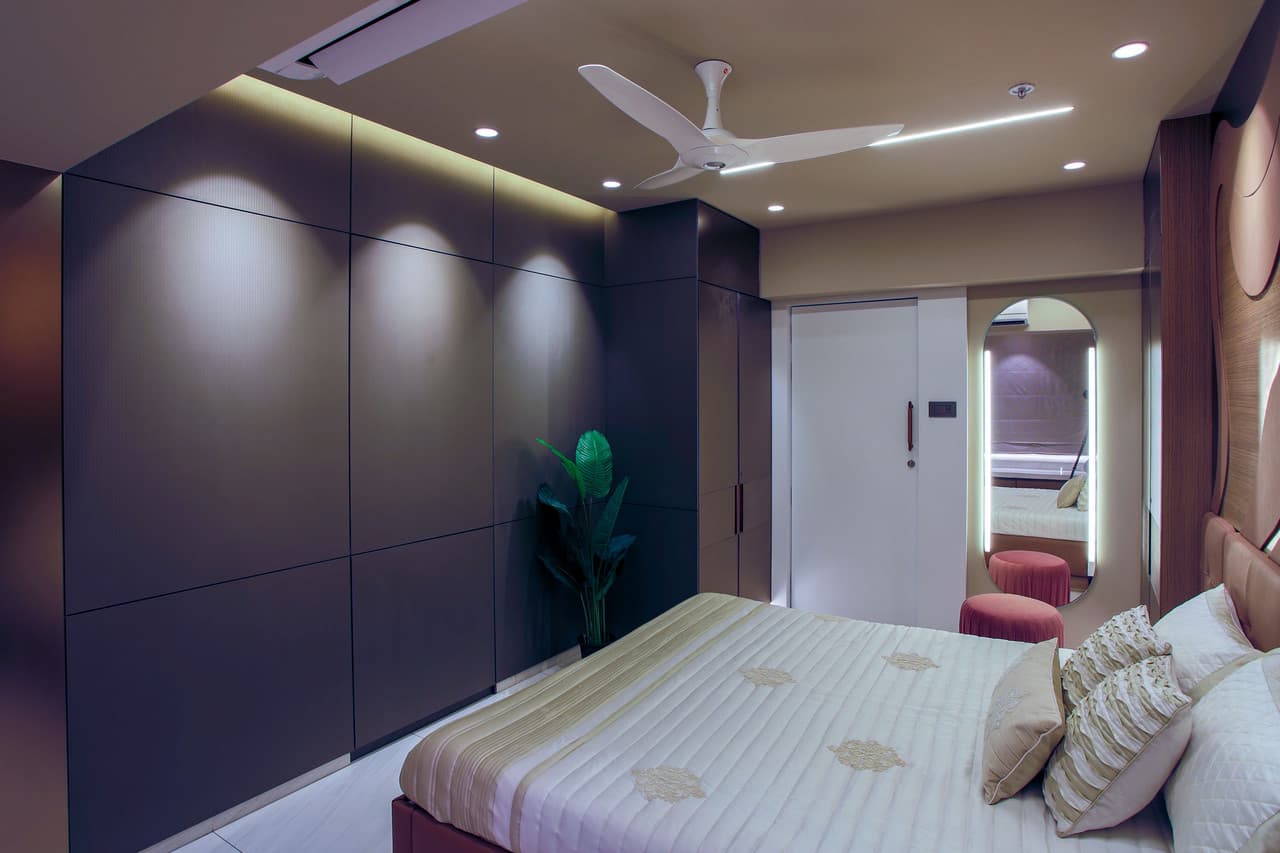
Transform Your Bedroom into a Sleep Oasis:
In our fast-paced world, quality sleep often feels elusive. While supplements, routines, and mindfulness practices play important roles in holistic sleep support, one of the most powerful—and often overlooked—foundations is your physical sleep environment. Creating a bedroom that signals safety, calm, and restoration to your nervous system can dramatically improve how easily you fall asleep, how deeply you rest, and how refreshed you feel upon waking.
Here’s a comprehensive, practical guide to optimizing your sleep space using simple, natural, and non-medical approaches.
1. Master the Art of Darkness
Light is one of the strongest regulators of your circadian rhythm. Even small amounts of artificial light at night can suppress melatonin production and fragment sleep.
- Blackout solutions: Invest in high-quality blackout curtains or blinds. For renters or budget-conscious sleepers, temporary options like heavy drapes, eye masks, or even aluminum foil on windows can work wonders.
- Evening wind-down lighting: Switch to warm, dim lighting (red or amber tones are ideal) at least 1–2 hours before bed. Red light has the least impact on melatonin. Avoid blue-light emitting screens or use blue-light blockers.
- Remove or cover glowing devices: LED lights from chargers, routers, and clocks can be surprisingly disruptive. Cover them with electrical tape or move them out of the bedroom entirely.
Pro tip: Make your bedroom as dark as a cave. Many people notice immediate improvements in sleep depth once they eliminate even minor light leaks.
2. Dial in the Ideal Temperature
Your core body temperature naturally drops as you prepare for sleep. A cooler room supports this process.
- Optimal range: Most sleep experts recommend keeping your bedroom between 60–67°F (15–19°C). Experiment within this zone to find your personal sweet spot.
- Practical cooling methods: Use breathable cotton or linen bedding, a ceiling fan, or a lightweight comforter. In warmer climates, consider moisture-wicking sheets or a chilled pillow insert.
- Seasonal adjustments: Layer blankets so you can easily add or remove them rather than relying on heavy duvets year-round.
A slightly cool room combined with warm hands and feet (try wearing socks if your feet get cold) is a classic recipe for faster sleep onset.
3. Prioritize Physical Comfort
Your bed and bedding are where your body spends roughly one-third of its life—make them worthy of deep restoration.
- Mattress and pillows: Choose supportive yet comfortable options suited to your sleep position (side, back, or stomach). If your mattress is over 7–10 years old, evaluate whether it’s time for an upgrade or a supportive topper.
- Natural fibers: Opt for organic cotton, bamboo, wool, or linen sheets and pillowcases. These materials regulate temperature and moisture better than synthetics and feel luxurious against the skin.
- Supportive setup: Use pillows to maintain spinal alignment. Side sleepers often benefit from a pillow between the knees; back sleepers may appreciate a small pillow under the knees.
Declutter the bed itself—keep it as a space for sleep and intimacy only.
4. Craft a Soothing Soundscape
Complete silence can actually heighten sensitivity to disruptive noises (traffic, neighbors, or a partner’s snoring). A consistent, gentle background sound often helps.
- White, pink, or brown noise: These steady sounds mask sudden disturbances. Apps, sound machines, or fans work well.
- Nature sounds: Gentle rain, ocean waves, or forest ambience can be deeply calming for many people.
- Earplugs or noise-canceling options: Soft foam earplugs or comfortable over-ear options can be game-changers if you’re sensitive to sound.
The goal is consistency—choose sounds that feel grounding rather than stimulating.
5. Engage the Other Senses Mindfully
- Air quality: Keep the room well-ventilated. A cracked window (weather permitting) or a high-quality air purifier can reduce stuffiness and allergens. Consider houseplants known for air-purifying qualities (like snake plants or peace lilies), though avoid over-cluttering.
- Scents for calm: Light aromatherapy with lavender, chamomile, or cedarwood essential oils (diffused or on a cotton pad near your pillow). Always use high-quality, pure oils and test for sensitivity.
- Minimalism and order: A tidy, visually calm bedroom reduces mental stimulation. Keep surfaces clear and use soft, neutral, or earthy tones that promote relaxation.
6. Additional Environment Enhancers
- Grounding elements: Some people find benefit in barefoot time on the floor before bed or using grounding sheets (though scientific evidence varies—listen to your own body).
- Electromagnetic hygiene: While research is ongoing, many holistic practitioners recommend keeping Wi-Fi routers out of the bedroom or turning them off at night, and placing phones in another room.
- Personal rituals: Pair your optimized environment with a consistent bedtime routine—perhaps reading physical books, gentle stretching, or gratitude journaling—to strengthen the “this space means rest” signal.
Final Thoughts: Small Changes, Big Rest
Optimizing your sleep environment doesn’t require a complete renovation. Start with one or two areas—perhaps blackout curtains and temperature adjustment—and build from there. Many people report noticeable improvements within just a few nights of consistent changes.
Your bedroom should feel like a sanctuary: safe, quiet, cool, and comfortable. When your environment supports your body’s natural rhythms, falling into deep, restorative sleep becomes far more effortless.
Sweet dreams and restful nights await. 🌙
---
What’s one change you’re inspired to make in your sleep space?
This article is for informational purposes only and is not a substitute for professional medical advice.